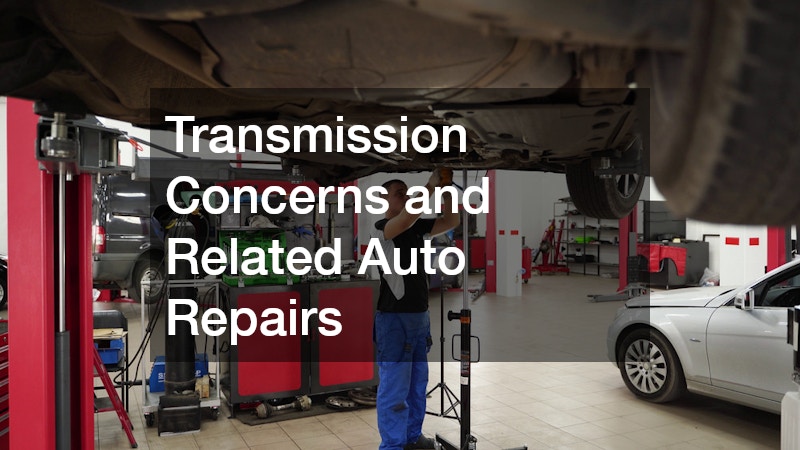
This article discusses common transmission concerns faced by vehicle owners and the necessary related auto repairs. Understanding these issues can lead to better maintenance and repair decisions.
What are the common signs of transmission problems?
Transmission problems can often be detected early by recognizing a few critical signs. One common indicator is slipping gears, where the vehicle unexpectedly changes gears without a prompt from the driver.
This not only affects the smoothness of the ride but can also be an early sign of a failing transmission system. Additionally, unusual noises like humming, whining, or clunking sounds, especially when the car is in neutral or trying to shift, should also raise suspicions. Lastly, a transmission warning light on the dashboard is a clear signal that something may be amiss with the transmission.
Beyond the obvious mechanical signs, drivers might also notice other changes in their vehicle’s performance. For instance, delayed or hard shifting when trying to change gears can indicate underlying issues within the transmission. The vehicle might also lack sufficient power or throttle response even when pressing the gas pedal, suggesting it could be stuck in a specific gear. Furthermore, if there is a constant burning smell emanating from the car, it might mean the transmission fluid is overheating due to failing components. Such symptoms should prompt immediate inspection by a professional mechanic.
How often should transmission fluid be changed?
Regular transmission fluid maintenance is essential for the health and longevity of a vehicle’s transmission system. Transmission fluid plays a critical role in lubricating moving parts, cooling the system, and ensuring smooth gear shifts. Generally, the recommended interval for changing transmission fluid ranges from every 30,000 to 60,000 miles, depending on the vehicle and type of driving. However, it’s vital to consult the vehicle’s owner manual or a trusted mechanic for specific guidance tailored to your car. Regular checks ensure that the fluid remains at the right level and retains its properties, avoiding unnecessary strain on the transmission.
Neglecting scheduled transmission fluid changes can lead to several adverse effects. As the fluid ages, its efficiency declines due to contaminants and a breakdown of its chemical properties. This can result in increased friction and heat within the transmission, accelerating wear and tear. Moreover, dirty or low fluid levels can hinder optimal performance, causing the vehicle to struggle in gear shifts and potentially leading to overheating. It’s not only an issue of cost but also one of safety, as compromised transmission systems can result in unexpected breakdowns.
What are the costs associated with transmission repair?
Transmission repairs can vary widely in cost, depending on the nature and extent of the issue. Simple problems, such as replacing a solenoid or gasket, can be relatively affordable, costing anywhere from $150 to $400. However, more extensive repairs or a complete transmission rebuild can range from $1,000 to $5,000. These high costs are largely due to the labor-intensive nature of the repairs and the intricate design of transmission systems. Additionally, the type of transmission (manual vs automatic) and vehicle make can further influence the cost of repairs.
The costs associated with transmission repair can also depend on whether aftermarket or OEM (Original Equipment Manufacturer) parts are used. OEM parts tend to be more expensive but offer the assurance of quality and compatibility. In contrast, aftermarket parts may be cheaper but could potentially compromise performance or longevity. Furthermore, the location where repairs are done also affects pricing, with dealership services often charging higher fees compared to smaller, independent garages. It’s crucial for vehicle owners to research options, seek recommendations, and obtain multiple quotes to ensure they receive fair pricing.
Can transmission issues be prevented with regular maintenance?
Preventative maintenance plays a crucial role in averting significant transmission problems. Regular inspections can detect wear and potential issues before they escalate into costly repairs. Routine checks involve ensuring that transmission fluid levels are optimal and that the fluid remains clean and free from debris. Regular servicing might also include adjusting transmission bands in vehicles that allow for such maintenance, thus maintaining operational efficiency. By investing in small, consistent maintenance tasks, vehicle owners can drastically reduce the likelihood of facing significant transmission challenges.
In addition to regular fluid checks, it’s essential to be attentive to how the vehicle operates. Being cognizant of any changes in gear shifts, unusual sounds, or dashboard warning lights can alert the driver to potential problems. Listening and responding to these early warning signs, combined with expert diagnostic tools at automotive shops, allows for prompt corrective measures. Additionally, it’s advantageous to adhere to safe driving habits, such as avoiding excessive towing and rapid acceleration, which put undue stress on the transmission system. Together, these practices not only protect the transmission but also boost overall vehicle longevity.
Summarize the key points made in the article and encourage readers to stay informed about their vehicle’s transmission health for better longevity and performance.