Owning a vehicle is not just about getting from one place to another; it is an ongoing responsibility that requires informed decisions over time. Many drivers focus only on immediate issues, such as a warning light or an unusual noise, without considering how individual services fit into the bigger picture of long-term vehicle care. This reactive approach often leads to higher costs, repeated breakdowns, and frustration when problems could have been prevented with better planning. Understanding how different vehicle services work together allows owners to protect both safety and value.
Comprehensive car care involves more than fixing what is broken. It includes routine upkeep, emergency preparedness, cosmetic protection, and strategic upgrades that support performance and durability. When these elements are coordinated thoughtfully, vehicles tend to last longer and perform more reliably. This guide breaks down how to evaluate and manage the many aspects of car care so drivers can make confident decisions rather than rushed ones.
Building a Strong Maintenance Foundation
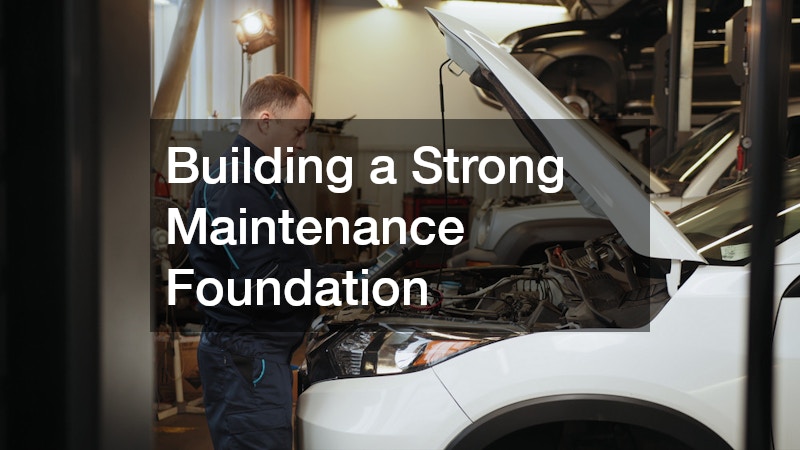
A dependable starting point for long-term vehicle ownership is selecting a trustworthy auto repair shop that prioritizes transparency and consistency. Many drivers choose repair providers based on convenience alone, but long-term reliability depends on more than location. Clear communication, written estimates, and a willingness to explain recommendations are signs of a provider that values informed customers. Over time, a reliable shop becomes familiar with your vehicle’s history, which leads to more accurate diagnostics.
Quality auto repair services go beyond addressing obvious problems. Preventive inspections, maintenance reminders, and detailed service records all contribute to better outcomes. When technicians monitor wear patterns and recurring issues, they can recommend solutions before small concerns turn into expensive repairs. This proactive approach reduces surprise expenses and improves overall safety.
A solid maintenance foundation typically includes:
- Regular inspections tied to mileage and driving conditions
- Clear documentation of completed work and future recommendations
- Honest assessments that distinguish urgent issues from optional upgrades
- Consistent follow-up to track long-term vehicle performance
These foundational practices work together to create consistency in vehicle care rather than fragmented service decisions. Regular inspections tied to mileage help identify wear patterns that are easy to miss during day-to-day driving. Written documentation builds a service history that future technicians can rely on, reducing guesswork and repeated diagnostics. When recommendations are clearly explained and tracked over time, drivers gain confidence in deciding what work truly matters and when it should be addressed.
Understanding Routine Versus Corrective Maintenance
Many vehicle owners struggle to understand the difference between routine upkeep and repairs prompted by failures. Routine car services focus on maintaining systems before they fail, while corrective work addresses problems that already affect performance or safety. Confusing these categories often leads to skipped maintenance, which increases the likelihood of breakdowns. Knowing the distinction helps owners prioritize spending more effectively.
Automotive repair services typically involve diagnostics and repairs after symptoms appear, such as engine misfires or braking issues. While these services are essential, they are often more expensive and time-sensitive than routine maintenance. Preventive work, on the other hand, aims to extend the life of components and reduce stress on major systems. Both categories are necessary, but they serve different purposes.
Routine care often includes:
- Fluid changes and inspections
- Brake system checks and adjustments
- Belt, hose, and filter replacements
- Software updates and system calibrations
Routine upkeep may feel repetitive, but it plays a critical role in preventing breakdowns and performance decline. Fluids, filters, and belts gradually degrade even when a vehicle appears to be running fine. Addressing these items on a predictable schedule reduces strain on major components that are far more expensive to repair or replace. Over time, routine care establishes mechanical stability that supports safer driving and fewer unexpected repair visits.
Recognizing When Specialized Mechanical Attention Is Needed
Some vehicle problems require more than general maintenance knowledge and demand targeted mechanical expertise. Car repair becomes more involved when symptoms indicate internal system issues rather than surface-level wear. Ignoring these signs can result in cascading damage that affects multiple components. Early recognition is critical to limiting repair scope and cost.
Transmission mechanics play a vital role when vehicles exhibit shifting delays, slipping gears, or unusual vibrations. These issues often worsen gradually, making them easy to overlook until serious damage occurs. Specialized professionals have the tools and training to diagnose internal components accurately, which general inspections may miss. Their involvement early in the process often prevents complete system failure.
Indicators that specialized attention may be required include:
- Delayed or rough gear changes
- Burning smells or fluid leaks under the vehicle
- Warning lights related to drivetrain systems
- Reduced fuel efficiency tied to performance issues
These warning signs often develop gradually, which makes them easy to dismiss or rationalize. Drivers may adjust their habits to accommodate changes in vehicle behavior without realizing damage is progressing internally. Early intervention limits how far the issue spreads and preserves the functionality of related systems. Paying attention to subtle changes allows owners to respond before minor problems evolve into full system failures.
Preparing for Breakdowns and Roadside Emergencies

Even well-maintained vehicles can experience unexpected failures, especially under extreme conditions or high mileage. Preparing for these situations reduces stress and limits potential damage. Many drivers only think about emergency support after a breakdown occurs, which often leads to rushed decisions. Planning ahead creates a safety net that supports quicker recovery.
A dependable vehicle towing company provides more than simple roadside assistance. Reliable providers coordinate safely with repair facilities and understand how to transport different vehicle types without causing additional damage. Knowing who to call in advance prevents unnecessary delays and inflated costs during stressful situations. It also allows drivers to choose service providers based on quality rather than urgency.
Effective emergency preparation includes:
- Saving contact information for trusted towing providers
- Understanding coverage limits and response times
- Knowing preferred repair destinations ahead of time
- Keeping emergency kits and documentation in the vehicle
Emergency planning reduces panic and improves decision-making during stressful situations. Having contact information readily available prevents rushed online searches that may result in unreliable service. Knowing where a vehicle should be taken avoids unnecessary detours or improper handling. Preparation also protects drivers from inflated costs that often occur when decisions are made under pressure rather than with foresight.
Managing Tires as a Safety-Critical System
Tires are the only part of a vehicle that directly contacts the road, making their condition essential to safety and handling. Many drivers underestimate how much tire wear affects braking distances, steering response, and fuel efficiency. Regular evaluation helps prevent sudden failures and uneven wear that can compromise control. Proactive attention reduces long-term costs and improves driving confidence.
Professional tire services provide more than replacements. Alignment checks, rotations, and pressure adjustments all play roles in extending tire life. Technicians can identify suspension or balance issues that contribute to premature wear. Addressing these problems early prevents damage to related systems and improves ride quality.
Key tire management practices include:
- Rotating tires at recommended intervals
- Monitoring tread depth and wear patterns
- Maintaining proper inflation for driving conditions
- Addressing alignment issues promptly
Tire condition directly affects traction, steering precision, and stopping distance, especially during sudden maneuvers. Small alignment or pressure issues can quietly shorten tire lifespan while degrading handling quality. Regular monitoring helps drivers maintain consistent road contact and reduce uneven wear that compromises safety. Treating tire care as ongoing maintenance rather than occasional replacement improves both performance and cost efficiency.
Protecting Exterior Condition Through Proper Cleaning
Vehicle appearance plays a larger role in long-term ownership than many drivers realize. Regular cleaning protects paint, trim, and finishes from environmental damage. Dirt, salt, and debris can cause corrosion if left untreated. Proper care also makes it easier to spot minor damage before it worsens.
A hand wash car station offers gentler cleaning methods compared to automated systems. These services reduce the risk of scratches and preserve protective coatings. Careful washing also allows for closer inspection of body panels and glass surfaces. Over time, this attention helps maintain resale value and structural integrity.
Exterior care benefits include:
- Reduced paint oxidation and fading
- Early detection of chips or cracks
- Improved longevity of seals and trim
- Enhanced overall appearance
Consistent exterior upkeep supports more than visual appeal; it actively preserves structural materials. Contaminants left on painted surfaces can accelerate corrosion and weaken protective coatings. Routine cleaning allows drivers to notice early signs of damage that might otherwise go unnoticed. Over time, this attention helps prevent deterioration that leads to costly body repairs or reduced resale value.
Enhancing Durability With Protective Finishing Options
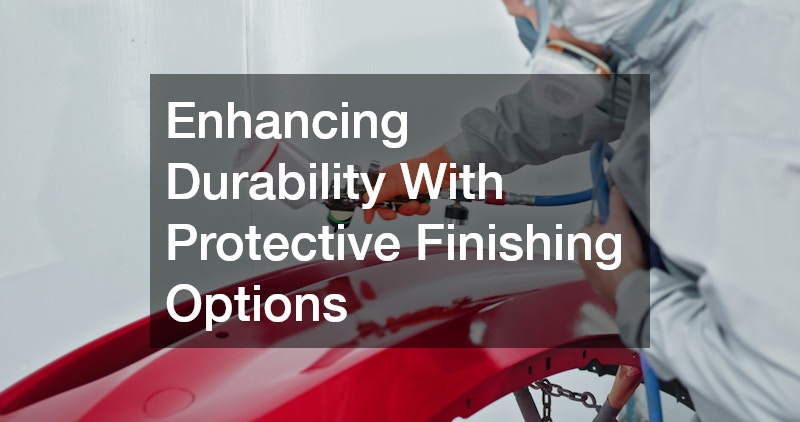
Certain vehicle components benefit from specialized finishes designed to resist wear and corrosion. Exposure to moisture, heat, and road debris can degrade metal surfaces over time. Protective coatings extend the lifespan of these parts while improving appearance. Strategic upgrades often prevent the need for premature replacements.
Powder coaters specialize in applying durable finishes to wheels, frames, and accessories. This process creates a protective barrier that resists chipping and corrosion more effectively than traditional paint. It is particularly useful for vehicles exposed to harsh environments or heavy use. Proper application ensures consistent coverage and long-term performance.
Advantages of protective finishing include:
- Improved resistance to rust and chemicals
- Longer lifespan for exposed components
- Enhanced visual consistency
- Reduced maintenance requirements
Protective coatings serve as a barrier between critical components and harsh environmental conditions. Without this layer, metal parts are more vulnerable to corrosion, chipping, and heat damage. Long-lasting finishes reduce how often parts need to be refinished or replaced, saving time and money. When applied correctly, these coatings also maintain a consistent appearance that complements the overall vehicle design.
Coordinating Multiple Providers Without Losing Control
Modern vehicle ownership often involves working with multiple service providers, each specializing in different areas. Without organization, this can lead to duplicated work, conflicting recommendations, or missed maintenance. Coordination helps ensure that services complement rather than interfere with each other. A central point of oversight simplifies decision-making.
Maintaining a relationship with a primary auto repair shop can help streamline communication between providers. Centralized records allow technicians to see the full service history and avoid unnecessary procedures. This approach also helps prioritize work based on urgency and long-term impact. Clear communication reduces confusion and wasted expenses.
Effective coordination strategies include:
- Keeping detailed service records in one location
- Sharing relevant information between providers
- Scheduling work in logical sequences
- Reviewing recommendations with a trusted advisor
Coordination minimizes confusion by giving vehicle owners a clear picture of what work has been done and what is pending. Centralized records prevent redundant services and conflicting advice between providers. Scheduling repairs in logical stages reduces downtime and avoids interference between systems. Clear organization allows drivers to remain in control of decisions rather than reacting to disconnected recommendations.
Budgeting for Long-Term Ownership and Maintenance

Financial planning is a critical but often overlooked aspect of vehicle care. Many drivers budget only for fuel and insurance, leaving little room for maintenance surprises. Strategic budgeting reduces stress and supports timely decision-making. Understanding expected costs helps avoid deferred maintenance that leads to bigger expenses.
Regular car services can be planned annually to spread costs more evenly. Tracking expenses over time reveals patterns that help predict future needs. This approach allows drivers to distinguish between routine upkeep and exceptional repairs. Financial awareness supports better choices and reduces reliance on emergency fixes.
Smart budgeting practices include:
- Setting aside funds for preventive maintenance
- Tracking service costs and intervals
- Prioritizing safety-related repairs
- Reviewing long-term ownership goals
Financial planning creates breathing room for thoughtful decisions rather than rushed fixes. Setting aside funds for expected maintenance reduces the temptation to delay important work. Tracking expenses over time helps identify recurring issues and evaluate whether long-term ownership remains practical. Budget awareness empowers drivers to prioritize safety and reliability without unnecessary financial stress.
Comprehensive car care is most effective when viewed as an interconnected system rather than a series of isolated decisions. Each service, from maintenance to emergency planning, plays a role in protecting performance, safety, and value over time. Drivers who take a proactive, organized approach tend to experience fewer disruptions and greater confidence in their vehicles. Thoughtful planning turns ownership into a manageable, predictable experience.
By understanding how different services work together, vehicle owners can make informed choices that support long-term reliability. Investing time in research, coordination, and preparation pays dividends through reduced stress and improved performance. With the right strategies in place, caring for a vehicle becomes less reactive and far more rewarding.