Owning a modern vehicle is an investment in personal mobility, comfort, and safety. Yet, far too many drivers treat maintenance as an emergency reaction rather than a disciplined routine. As seasonal weather cycles bring wild swings in ambient temperatures, ultraviolet exposure, moisture levels, and corrosive road treatments, every subsystem of an automobile undergoes physical stress. Clear coats bake, rubber compounds stiffen or soften, interior fabrics absorb moisture, and structural glass contends with extreme expansion and contraction cycles.
Establishing a proactive seasonal maintenance routine ensures minor imperfections do not balloon into catastrophic mechanical or cosmetic failures. Taking preventative steps before the weather shifts preserves mechanical dependability, optimizes fuel efficiency, and protects residual trade-in value. This comprehensive seasonal checklist walks through critical inspection points across spring, summer, autumn, and winter, equipping you with the actionable knowledge required to keep your automobile performing at its absolute peak throughout the entire driving year.
Spring: Decontaminating and Rejuvenating After Winter
Fixing Seam Tears and Cushion Wear Before Moisture Sets In
Winter takes a silent, brutal toll on vehicle cabins. Wet raincoats, melting footwear slush, and sharp road salt crystals track directly across carpeting and seating surfaces. When left unaddressed through spring, this accumulated moisture combines with fluctuating interior humidity to weaken seat stitching and degrade inner cushion foam.
A methodical cabin inspection should prioritize high-friction contact points and concealed seams:
-
Examine driver seat bolsters for surface cracking, creasing, or loose stitching caused by daily ingress and egress.
-
Vacuum deeply into bottom cushion crevasses to extract grit that cuts into synthetic backing fibers.
-
Blot moisture stains on fabric seats with an enzyme-based automotive cleaner rather than scrubbing abrasively.
-
Condition genuine leather surfaces with a breathable balm to replenish essential oils lost during dry winter heater use.
Addressing these issues early prevents minor cosmetic tears from splitting across entire seating panels. When dealing with damaged leather hides, split seams, or sagging support foam, scheduling an auto upholstery repair ensures tears are professionally reinforced with color-matched, UV-treated threading and commercial-grade materials that restore structural cabin comfort.
Inspecting Structural Glass Integrity and Replacing Damaged Wiper Blades
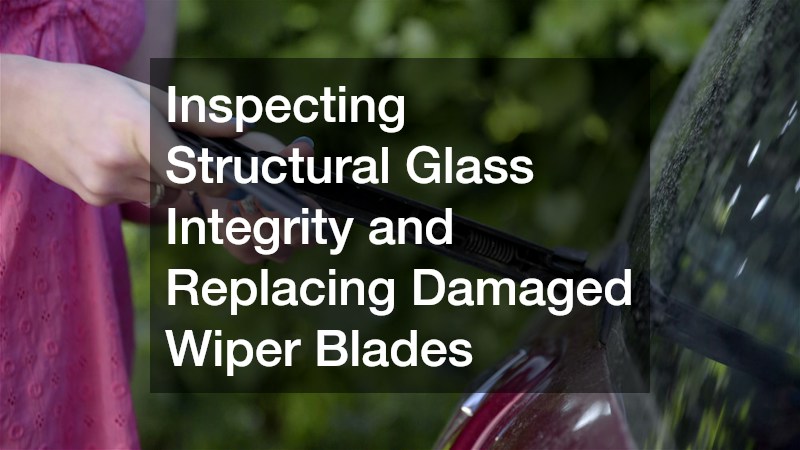
Spring rainstorms demand optimal outward visibility, making it crucial to examine your windshield and window panes thoroughly. Flying road gravel and salt scattered by winter plow crews frequently leave behind tiny stone chips and hairline fissures that may initially escape notice.
To conduct a professional-grade exterior glass audit, follow these actionable steps:
-
Run a clean microfiber cloth across the entire outer glass surface; snagging fibers instantly reveal hidden micro-chips.
-
Inspect the perimeter edges of the windshield, where thermal stress concentration is highest during defrost cycles.
-
Discard hardened, chattering windshield wiper blades and install fresh silicone or dual-rubber replacements.
-
Strip mineral water spots and oily road films using a dedicated glass polishing compound.
Temperature swings between warm spring sunshine and cool overnight chills cause laminated glass layers to expand and contract rapidly, turning negligible surface pits into sweeping horizontal fractures. Partnering with professional auto glass services allows technicians to inject specialized optical-grade polymers into small fissures before structural damage necessitates a full, costly windshield replacement with mandatory sensor recalibrations.
Summer: Fortifying Exterior and Cabin Against Heat and UV Rays
Shielding Cabin Components and Minimizing Heat Soak with Optical Films
Summer solar radiation introduces intense infrared heat and destructive ultraviolet rays into your vehicle’s interior. Unfiltered sunlight penetrating untreated side and rear windows can elevate dashboard temperatures past 180 degrees Fahrenheit, warping plastics, degrading adhesive bonds, and overworking the air conditioning compressor.
Implementing modern heat rejection strategies keeps your cabin significantly cooler:
-
Fit a tailored, reflective accordion shade across the front windshield whenever parked outside.
-
Clean interior window glass regularly to eliminate the hazy vinyl outgassing film caused by baking plastics.
-
Treat dashboard and door card plastics with non-greasy, matte-finish UV-blocking protectants.
-
Crack side windows slightly when parked in safe, monitored driveways to encourage passive convective ventilation.
Investing in quality auto window tinting serves as the first line of defense against solar heat gain. Specialized films block up to 99 percent of harmful UV radiation while rejecting significant levels of solar energy, protecting delicate digital gauge clusters and minimizing occupant fatigue during sweltering highway road trips.
Choosing Specialized Cleanroom Window Film Installations
While window films provide immense relief against summer heat, the ultimate longevity and performance of the application depend heavily on how and where the film is mounted. Improper DIY attempts or cheap installations frequently result in bubbling, purple discoloration, optical distortion, and early adhesive failure.
When vetting installation facilities, insist on the following operational criteria:
-
Ensure all film trimming and glass mounting occurs within an enclosed, dust-controlled cleanroom bay.
-
Verify that the shop utilizes computer-cut plotter software tailored to your specific vehicle chassis rather than hand-cutting on the glass.
-
Confirm that the chosen tint density complies fully with local visible light transmission limits for each window position.
-
Review manufacturer warranty documentation to ensure nationwide coverage against peeling, bubbling, and color shifting.
Securing certified auto tinting services guarantees that advanced ceramic or carbon nano-films are installed using specialized slip solutions and lint-free preparation techniques. Professional installers also heat-shrink curved rear windows seamlessly, ensuring an unobstructed optical view and reliable, bubble-free adhesion that lasts the entire operational lifespan of your vehicle.
Establishing Long-Term Paint Defense Against Solar Oxidation
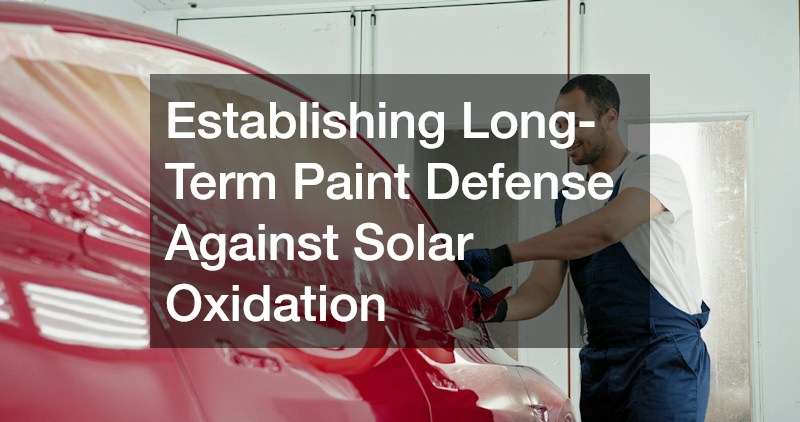
Intense summer sunshine oxidizes untreated paint clear coats, while bugs, acidic bird droppings, and tree sap bake onto hot exterior panels within hours. Traditional carnauba waxes provide minimal defense, as their low melting points cause them to liquefy and rinse away under triple-digit surface temperatures.
To ensure your vehicle’s paintwork remains resilient against blistering elements, maintain this detailing regimen:
-
Wash the vehicle exclusively in shaded environments using pH-neutral, high-lubricity automotive shampoos.
-
Decontaminate clear coats biannually using automotive detailing clay to lift embedded industrial fallout.
-
Avoid automatic car washes equipped with abrasive nylon brushes that scour paint into spiderweb swirl patterns.
-
Keep a bottle of quick-detailer spray and clean plush microfiber towels handy to neutralize acidic bird droppings immediately.
Applying an auto ceramic coating establishes a permanent or semi-permanent barrier of silicon dioxide over the factory clear coat. This ultra-dense protective shield delivers extreme hydrophobic water-sheeting properties, prevents environmental etching, and preserves a deep, mirror-like gloss through months of harsh solar bombardment.
Preparing Paint Surfaces and Applying High-Grade Nano Protection
Achieving flawless, multi-year paint protection requires far more than merely wiping a protective liquid onto the vehicle. Proper surface preparation accounts for roughly ninety percent of the overall outcome, because sealing a surface that contains micro-scratches permanently traps those imperfections beneath an ultra-hard layer.
The multi-stage process for locking in resilient nano-protection involves several crucial phases:
-
Strip old waxes, silicones, and traffic film residues using an intensive alkaline pre-wash.
-
Chemically dissolve embedded brake dust particles using an iron-reactive wheel and paint decontaminator.
-
Execute a precision multi-stage paint correction using rotary or dual-action polishers to remove swirl marks.
-
Wipe every exterior panel with an isopropyl alcohol preparation solution to ensure direct molecular bonding.
Hiring an experienced ceramic coating service ensures this painstaking decontamination, machine polishing, and controlled curing process is executed flawlessly. Master detailers utilize high-grade commercial coatings that cure under specialized infrared lamps, forming a durable, glassy shell that shields your vehicle against oxidation and simplifies subsequent washings for years.
Diagnosing Blown Drivers and Upgrading Cabin Audio Systems

Prolonged summer heat waves and high humidity do not spare internal electronic components. Factory speaker cones constructed of untreated pressed paper easily warp, while delicate foam surround rings dry out, crack, and crumble after seasons of continuous thermal exposure.
To assess the physical and acoustic condition of your sound system, run these quick checks:
-
Fade and balance audio output individually to each door speaker to isolate crackling, rattling, or hollow reproduction.
-
Inspect speaker grilles for accumulated road dust and pet hair that restrict acoustic movement and trap heat.
-
Verify that factory amplifier heatsinks mounted under seating or in trunk compartments have adequate airflow.
-
Upgrade outdated receiver software to prevent Bluetooth connectivity drops and navigational crashes during summer journeys.
If your audio sounds distorted or lifeless, booking an inspection with an experienced car audio service is an exceptional upgrade. Skilled technicians can replace brittle factory speakers with rugged, heat-resistant composite drivers, add acoustic sound-deadening insulation inside door cavities to lower ambient road noise, and calibrate digital sound processors for crisp highway acoustics.
Autumn: Preparing for Wet Roads and Temperature Drops
Monitoring Tread Depth and Inflation Losses During Temperature Plummets
Autumn weather brings frequent rain showers, slick fallen leaves, and rapid drops in overnight temperatures. Because tires represent the sole physical contact patch between your multi-ton vehicle and the asphalt, monitoring their physical integrity during this transitional window is an urgent safety priority.
Maintain these essential wheel and tread safety checks throughout the fall season:
-
Measure tread depths across inner, center, and outer grooves using a dedicated millimeter tread depth gauge.
-
Check cold inflation pressures monthly, accounting for the natural one-pound-per-square-inch drop per ten-degree temperature drop.
-
Inspect tire sidewalls for dangerous impact bulges, cuts, abrasions, or signs of dry rot along the bead.
-
Ensure valve stems are fitted with rubber-gasketed metal caps to keep out road grime and corrosive salt slurries.
Worn tread grooves cannot evacuate standing water effectively, leading to catastrophic hydroplaning on slick autumn highways. Regularly inspecting your car tires ensures you identify uneven shoulder wear early and maintain sufficient tread depth to channel away standing rainwater, preserve cornering grip, and ensure predictable emergency stopping distances.
Correcting Chassis Geometry and Wheel Balancing Before Slippery Conditions
Autumn is the ideal season to counteract the accumulated structural impacts of summer road trips, construction zones, and gravel trails. Minor wheel imbalances and subtle suspension misalignments accelerate tire wear rapidly once road surfaces become slick and cold.
Keep your rolling assembly properly calibrated by following these essential guidelines:
-
Rotate tires every 5,000 to 7,500 miles following the recommended forward-cross or rear-cross drive pattern.
-
Pay attention to subtle steering wheel vibrations at highway speeds, which indicate displaced wheel balancing weights.
-
Watch for vehicle drifting or an off-center steering wheel when cruising along level highway stretches.
-
Inspect steering tie-rod ends and ball joint boots for grease leakage or excessive mechanical play.
Scheduling an autumn checkup at a certified tire shop ensures your wheels are dynamically balanced on digital road-force balancers and your chassis geometry is aligned to factory specifications. This critical adjustment prevents irregular tread cupping, optimizes traction across wet road markings, and extends the operational lifespan of your entire suspension system.
Winter: Maximizing Traction and Durability in Sub-Zero Climates

Selecting Dedicated Winter Compounds and Reviewing Load Ratings
When winter settles in and temperatures drop consistently below 45 degrees Fahrenheit, the chemical composition of standard rubber compounds undergoes a critical transition. All-season rubber compounds stiffen and lose elasticity, resulting in substantially increased stopping distances even on dry, cold pavement.
Selecting specialized cold-weather rubber requires evaluating several technical specifications:
-
Confirm the presence of the Three-Peak Mountain Snowflake severe snow service certification emblem on the tire sidewall.
-
Look for hydrophilic, high-silica rubber compounds that remain soft and pliable in sub-zero conditions.
-
Select designs with thousands of microscopic sipes that create biting edges for clawing into packed snow and ice.
-
Choose the narrowest approved factory tire width to slice cleanly through slush rather than floating on top.
Consulting a reputable tire store allows you to match your specific vehicle drivetrain with winter tires optimized for your local snowfall rates. Equipping your vehicle with purpose-built cold-weather rubber dramatically reduces panic-braking distances on black ice, delivering the physical grip necessary to navigate unforgiving winter storms safely.
The Long-Term Return of Proactive Seasonal Upkeep
Caring for an automobile across the seasonal calendar is far more than a checklist of chores; it is an ongoing investment in reliability, financial prudence, and road safety. By proactively tending to cabin surfaces, glass integrity, protective exterior barriers, audio electronics, and road-contact components, you prevent the gradual deterioration that leads to frustrating mechanical failures and steep depreciation.
Vehicles that receive steady, systematic seasonal attention reward their owners with fewer unexpected repair bills, superior fuel economy, and higher resale values when the time comes to upgrade. Use the transition between seasons as your natural reminder to audit these core areas. Taking time to inspect, protect, and service your vehicle today ensures dependable performance, no matter what weather conditions await down the road.