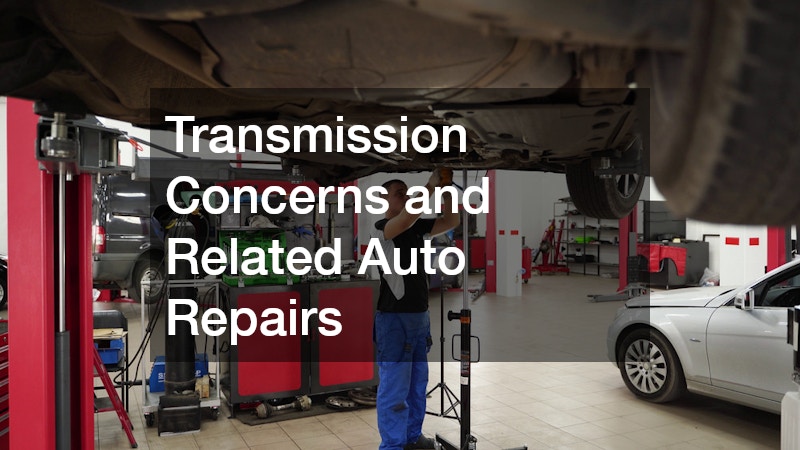
Experiencing an auto collision can be overwhelming, leaving you with a sense of confusion and uncertainty. While the immediate aftermath of an accident might be chaotic, having a reliable plan to follow can alleviate stress and ensure you return to the road safely and swiftly. This guide provides actionable steps to take after an accident to help manage the process effectively. Taking a calm, informed approach in the hours and days that follow can make a significant difference in both your recovery and the outcome of any claims or repairs.
Seek Necessary Medical Attention
After a collision, prioritizing your health and safety is essential. Even if you feel fine in the immediate aftermath, adrenaline can mask symptoms of serious injuries such as whiplash, internal bleeding, or concussions. That’s why it’s critical to seek a professional medical evaluation as soon as possible. Visiting a healthcare provider—or specialists in post-auto injury chiropractic care—can help identify injuries that may not be immediately visible.
A thorough medical examination not only ensures your well-being but also establishes a clear starting point for your recovery journey. Early diagnosis allows for timely treatment, which can significantly reduce the risk of complications or chronic pain. In many cases, healthcare providers may recommend imaging tests, physical therapy, or follow-up appointments to monitor your condition over time.
Additionally, seeking medical attention creates an official record of your injuries. This documentation can play a crucial role if you decide to file an insurance claim or pursue legal action. Detailed medical reports, treatment plans, and receipts provide evidence that supports your case and demonstrates the extent of your injuries. Keeping organized records of every visit and expense will strengthen your position during any negotiations or claims process.
It’s also important to consider the long-term impact of injuries sustained in an accident. Some conditions may worsen over time if left untreated, leading to ongoing discomfort or reduced mobility. Regular follow-up appointments ensure that your recovery stays on track and that any emerging issues are addressed promptly. Taking your health seriously from the start can make a significant difference in both your physical recovery and overall quality of life.
Engage with Your Insurance Provider
Contacting your auto insurance company promptly after a collision is a key step in managing the aftermath effectively. Most insurance policies require timely reporting, and delays can sometimes result in complications or even the denial of your claim. Reaching out early allows your insurer to guide you through the claims process and explain what documentation and steps are required.
When speaking with your insurance company, it’s important to provide accurate and detailed information about the accident. This includes the date, time, location, and circumstances of the incident, as well as any photos, witness statements, and police reports you may have collected. The more thorough your documentation, the smoother your claims process is likely to be.
Maintaining a record of all communications with your insurance provider is equally important. Keep notes of phone calls, save emails, and document any instructions or commitments made by representatives. This helps prevent misunderstandings and ensures you have a clear reference if discrepancies arise later.
Your insurer may also recommend approved repair shops or service providers, which can streamline the repair process and ensure that work is covered under your policy. Additionally, they can clarify coverage details such as deductibles, rental car provisions, and timelines for claim resolution. Staying proactive and organized throughout this process will help you navigate it with greater confidence and efficiency.
Consider Legal Consultation
Depending on the severity of the accident, consulting with an experienced accident attorney can be a smart and strategic decision. Legal professionals can help you understand your rights and responsibilities, especially in situations where fault is unclear or multiple parties are involved. Their expertise ensures that you don’t overlook important details that could affect your case.
An attorney can also be instrumental in negotiating with insurance companies. Insurers often aim to minimize payouts, but a skilled lawyer can advocate on your behalf to ensure you receive fair compensation. This may include coverage for medical expenses, property damage, lost wages, and even non-economic damages such as pain and suffering.
In more complex cases, such as those involving serious injuries or disputes over liability, legal guidance becomes even more valuable. Attorneys are well-versed in navigating legal procedures, filing claims, and meeting deadlines, all of which can be overwhelming without professional support. They can also gather evidence, consult experts, and build a strong case tailored to your situation.
Seeking legal advice early in the process allows you to make informed decisions and avoid costly mistakes. Even if you ultimately decide not to pursue legal action, a consultation can provide clarity and peace of mind during a stressful time.
Repairing Your Vehicle
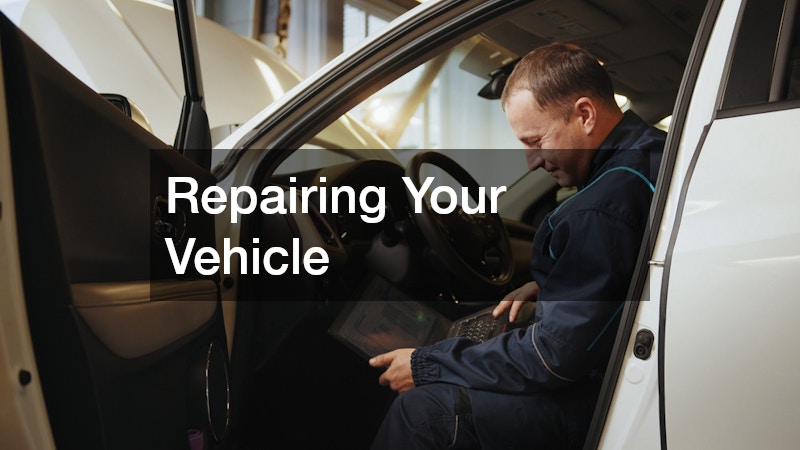
Restoring your vehicle after a collision is not just about appearance—it’s about ensuring safety and reliability. Working with certified auto collision repair professionals ensures that all damage, both visible and hidden, is properly assessed and repaired. This can include everything from bodywork and paint restoration to more complex mechanical fixes like full engine repair.
Reputable repair shops use advanced diagnostic tools to identify structural or internal issues that might not be immediately apparent. Components such as the frame, suspension, and engine must be carefully inspected and restored to manufacturer standards. Overlooking these elements can compromise your vehicle’s safety and performance.
In some cases, repairs may involve critical systems like brakes, steering, or electrical components. Addressing these issues promptly is essential, as they directly impact your ability to operate the vehicle safely. If it is determined that you need something like an auto brake repair, do not hesitate. Certified technicians follow industry standards and often provide warranties on their work, giving you added confidence in the repairs.
Ultimately, the goal is to return your vehicle to a condition that is as close as possible to its pre-accident state. Investing in quality repairs not only ensures your safety but also preserves the long-term value and functionality of your car.
Attending to Glass and Mirror Damage
Damage to your vehicle’s glass and mirrors should never be overlooked after a collision. Cracked windshields, shattered windows, or misaligned mirrors can significantly impair visibility and increase the risk of further accidents. Prompt auto glass replacement or repair ensures that your vehicle remains safe to drive.
Professional technicians assess the extent of the damage and determine whether repair or full replacement is necessary. Modern windshields, for example, often play a role in structural integrity and may house sensors for advanced driver-assistance systems. Proper installation is critical to maintaining these functions.
Beyond safety concerns, damaged glass can expose your vehicle to external elements like rain, dust, and debris. This can lead to interior damage or discomfort during driving. Addressing these issues quickly helps prevent additional complications and maintains the overall integrity of your vehicle.
Many insurance policies cover glass repairs, making it easier to prioritize this aspect of post-collision recovery. By relying on experienced professionals, you can ensure high-quality materials and workmanship that restore both safety and comfort.
Ensuring Tire Safety and Performance
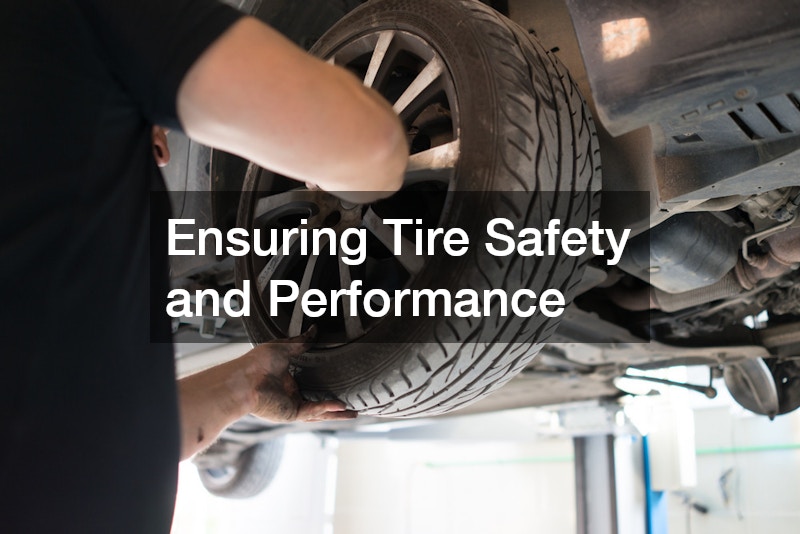
After a collision, your vehicle’s tires and wheels should be carefully inspected to ensure they are still safe and functional. Even minor impacts can cause issues such as punctures, sidewall damage, or misalignment. Professional tire services can identify these problems and recommend appropriate solutions, whether that involves repair, rotation, or replacement.
Tires play a critical role in vehicle handling, braking, and overall stability. Any compromise in their condition can affect your ability to control the vehicle, especially in challenging driving conditions. Ensuring proper tire health is essential for both safety and performance.
Wheel alignment is another key consideration. Misaligned wheels can lead to uneven tire wear, reduced fuel efficiency, and a less comfortable driving experience. Addressing alignment issues early helps extend the lifespan of your tires and improves overall vehicle performance.
Regular inspections and maintenance following a collision provide peace of mind and help prevent future problems. Keeping your tires in optimal condition ensures that your vehicle remains reliable and safe on the road.
Enhancing Your Vehicle’s Aesthetic and Cleanliness
Once repairs are complete, restoring your vehicle’s appearance can help bring it back to life. Professionals, such as an auto detailing company, go beyond a simple wash, offering deep cleaning and restoration for both the interior and exterior of your car. This process can remove stains, odors, and minor imperfections left behind after the accident.
Detailing improves not only the look of your vehicle but also its overall condition. Interior cleaning ensures a hygienic environment, while exterior treatments like polishing and waxing protect the paint and enhance its shine. These services help your car feel fresh and well-maintained again.
A well-detailed vehicle also retains its value better over time. If you plan to sell or trade in your car in the future, maintaining its appearance can make a significant difference. Even if you keep it, driving a clean and polished vehicle contributes to a more enjoyable experience. By combining detailing with necessary repairs, you can fully restore your vehicle and move forward with confidence.
Establishing Routine Vehicle Maintenance
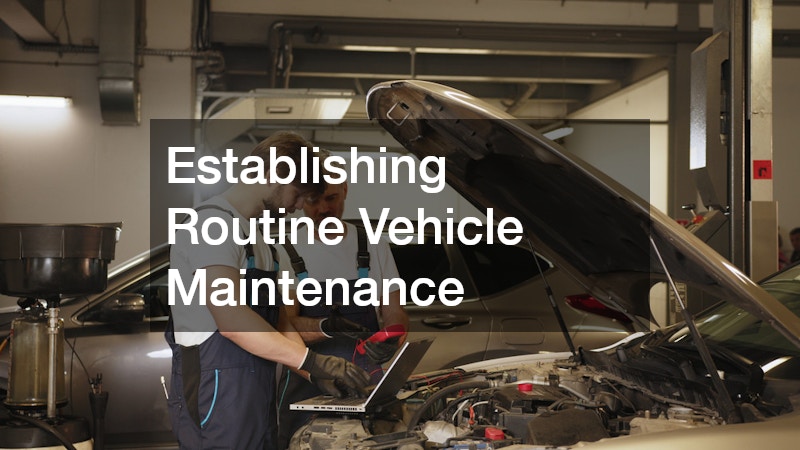
After an accident, committing to a regular maintenance schedule is more important than ever. Routine inspections help identify lingering issues and ensure that all repairs continue to perform as intended. This includes checking vital systems such as the engine, brakes, transmission, and fluid levels.
Consistent auto maintenance reduces the likelihood of unexpected breakdowns and costly repairs. It also helps extend the lifespan of your vehicle, making it a more reliable and efficient mode of transportation. Preventive care is always more cost-effective than reactive fixes.
Working with trusted automotive professionals ensures that your vehicle receives thorough and accurate assessments. They can recommend maintenance intervals and services tailored to your car’s specific needs, especially after a collision.
By staying proactive, you can keep your vehicle in optimal condition and avoid complications down the road. A well-maintained car is not only safer but also more dependable in your daily life.
Taking Care of Your Mental Health
The impact of a collision isn’t limited to physical damage—it can also take a toll on your mental and emotional well-being. It’s common to experience anxiety, stress, or even fear of driving after an accident. Acknowledging these feelings and addressing them is an important part of your recovery.
Taking time to process the experience can help you regain confidence and a sense of control. Speaking with a mental health professional or joining a support group can provide valuable coping strategies and reassurance. These resources offer a safe space to share your concerns and work through any lingering fears.
Gradually returning to driving, starting with short and familiar routes, can also help rebuild confidence. Practicing mindfulness and relaxation techniques may reduce anxiety and improve your overall sense of calm.
Prioritizing your mental health ensures a more complete recovery. By addressing both emotional and physical aspects, you’ll be better prepared to resume your normal routine and move forward positively.
Reflecting on the Experience and Preventing Future Incidents
Taking time to reflect on the accident can provide valuable insights that improve your future driving habits. Consider what factors contributed to the incident—whether it was road conditions, distractions, or timing—and think about how similar situations can be avoided.
This reflection encourages a more mindful and proactive approach to driving. You might choose to adopt safer practices, such as maintaining greater following distances, reducing speed in certain conditions, or minimizing distractions behind the wheel.
Investing in additional driver education or defensive driving courses can further enhance your skills and awareness. These programs provide practical techniques for handling unexpected situations and improving overall road safety. Ultimately, learning from the experience helps you become a more cautious and responsible driver. By applying these lessons, you contribute to a safer environment for yourself and others on the road, turning a difficult situation into an opportunity for growth.
Dealing with the aftermath of an auto collision involves a coordinated effort spanning medical, legal, and mechanical domains. Maintaining a structured approach to recovery ensures all critical aspects are addressed, paving the way for a safe return to road life. By systematically following these guidelines, your journey after a collision can become manageable and lead to a successful restoration of both vehicle and personal peace of mind.