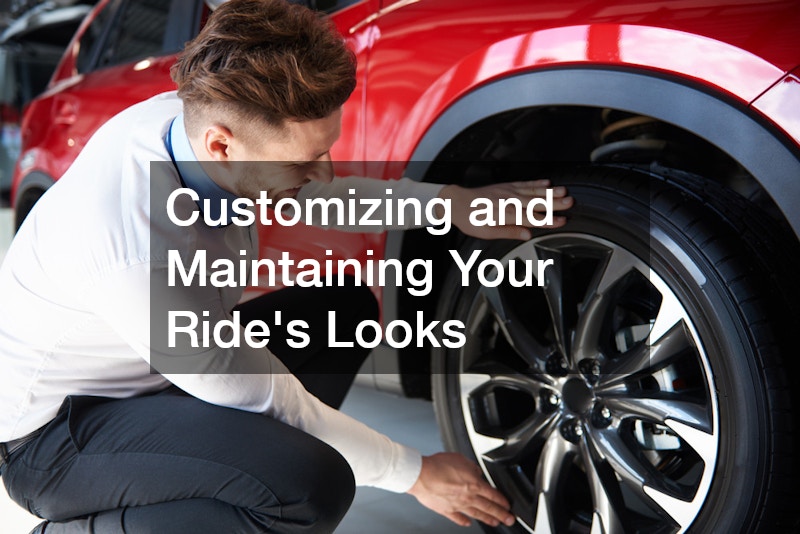
Whether you are driving a brand-new sports car, a rugged off-road truck, or a cherished daily commuter, standard wear and tear is an inevitable reality of the open road. Airborne contaminants, loose gravel, grocery store shopping carts, and harsh weather conditions constantly threaten to dull your vehicle’s shine and diminish its value. Elevating your vehicle’s look and preserving it against these daily hazards requires a mixture of specialized professional care, advanced protective chemistry, and high-quality styling choices. This comprehensive guide details the essential strategies for customizing your vehicle and executing the advanced maintenance routines necessary to keep it looking pristine for years to come.
Shielding Exterior Paint from the Elements
To keep your vehicle looking as though it just rolled off the showroom floor, you must go beyond basic car washes. The outermost layer of your vehicle’s exterior takes the brunt of environmental abuse, from acidic bird droppings to road salt and ultraviolet radiation. While traditional carnauba waxes provide a beautiful, warm glow, they melt away quickly under summer heat and offer very little physical resistance against minor abrasions. To establish long-term resilience, applying a liquid polymer that chemically bonds with your factory paint is the ideal choice. A premium ceramic coating creates a semi-permanent hydrophobic barrier over the clear coat. This slick, glass-like layer ensures that water beads up instantly and sheets off, carrying away loose surface dirt with it.
When executing this upgrade, meticulous preparation is mandatory. Any swirl marks, oxidation, or fine scratches trapped beneath the liquid polymer will be locked in and magnified. The surface must undergo a multi-stage decontamination process, including a dedicated iron-remover wash and a clay bar treatment to pull embedded grit out of the paint pores. Once the surface is mechanically clean, a machine polisher levels the clear coat to a mirror finish. Only then should the liquid coating be wiped onto the body panels in a cross-hatch pattern, allowed to flash, and buffed to a deep, reflective luster. Maintenance involves washing with pH-neutral soaps and avoiding automated car washes with abrasive plastic brushes.
Elevating Style and Unsprung Performance
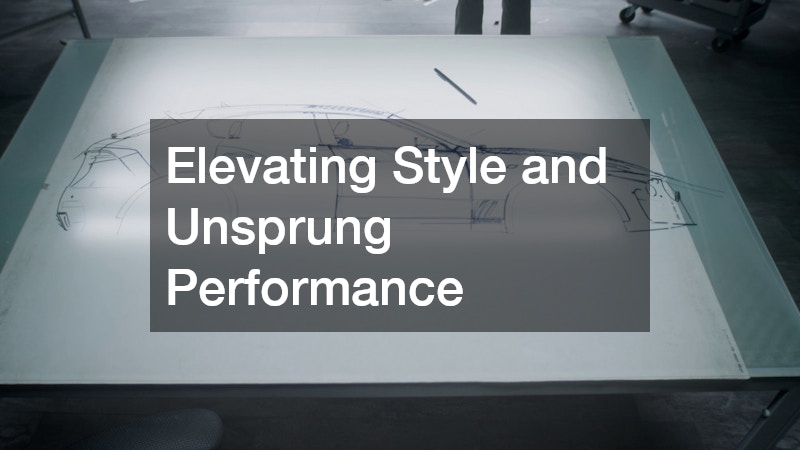
Upgrading the components where the rubber meets the road is one of the most impactful aesthetic and functional changes you can make. The design, width, and finish of your structural wheels dictate the stance and visual attitude of the entire vehicle. Shifting away from basic factory configurations allows you to tailor your vehicle to a minimalist luxury look, an aggressive track-inspired style, or a rugged off-road presence. Choosing premium custom wheels involves understanding the balance between aesthetics and vehicle geometry. Beyond simply picking an appealing spoke layout, you must account for parameters like offset, backspacing, and bolt patterns to prevent the tire from rubbing against the inner fender liner or suspension components.
From a construction standpoint, opting for forged or flow-formed designs rather than heavy cast variations minimizes unsprung weight—the mass of the vehicle components not supported by the suspension system. Reducing this weight allows your suspension to react faster to road imperfections, which sharpens steering response and improves overall ride quality. When styling your vehicle, look for finishes like brushed clear coats, matte gunmetal, or satin black that complement the secondary accents on your vehicle’s body, such as window trim or badging.
Tailoring Wheel Dynamics and Stance
While the structural design of the wheel assembly optimizes weight and strength, the outer barrel and lip geometry refine the vehicle’s exact stance. Achieving a flush fitment—where the outer edge of the wheel sits perfectly aligned with the vertical line of the vehicle’s fender flare—requires precise calculation. Integrating premium custom rims into your build gives you total control over the lip depth and multi-piece configurations. For example, three-piece modular wheels allow you to mix and match individual inner barrels, outer lips, and center faces to achieve deep-dish profiles that are impossible to find on assembly-line vehicles.
Maintaining these high-end components requires regular attention, as aggressive brake pads shed hot metallic dust that can bake into the clear coat or polished aluminum faces. Avoid using generic, acid-based wheel cleaners that cause unsightly clouding or chemical staining on delicate finishes. Instead, use a dedicated, color-changing wheel cleaner that specifically targets iron particles while remaining chemically neutral to the underlying metal. Protecting the barrels and faces with a specialized high-heat wheel coating will prevent brake dust from adhering, making subsequent cleaning tasks far easier.
Massaging Out Minor Metal Imperfections

No matter how carefully you park, minor dings from runaway shopping carts or adjacent car doors are a frustrating reality of daily driving. Traditional body repair techniques often turn a tiny dent into an extensive project, requiring grinders, body filler compounds, and localized paint blending that can compromise your vehicle’s factory finish. When the paint film itself has survived an impact without cracking or chipping, opting for paintless dent repairs is the most elegant solution. This specialized discipline relies on highly trained technicians using specialized steel rods, long-reach levers, and precision lighting systems.
By gaining access behind the damaged panel—often through window tracks, factory access plugs, or by carefully dropping interior headliners—the technician uses meticulous pressure to massage the stretched metal back into its original shape. High-intensity LED light boards reflect precise parallel lines across the exterior surface, allowing the specialist to see even microscopic high or low spots. Because this method skips chemical fillers and respraying entirely, it preserves the factory e-coat and clear coat layer, keeping your vehicle’s original corrosion protection intact and ensuring there are no mismatched paint tones under direct sunlight.
Restoring Structural Alignment After Impacts
When an incident goes beyond a minor ding and compromises the structural body panels or underlying frame structures, a deeper level of mechanical intervention becomes necessary. Collisions can distort fender aprons, core supports, and door pillars, disrupting the clean body lines and tight panel gaps that make a vehicle look cohesive and well-built. Trusting your vehicle to a certified auto body center ensures that structural repairs are handled using heavy-duty frame racks and laser-guided measuring systems. Modern vehicles rely on precise crumple zones built from high-strength, low-alloy steels that absorb impact energy during an accident.
Straightening these materials requires computerized equipment that compares your vehicle’s current geometry against factory blueprints down to the millimeter. Technicians carefully pull or replace compromised panels, weld new structural elements using factory-sanctioned techniques, and re-establish the precise gaps between the hood, doors, and fenders. Ensuring these tolerances are perfectly restored is critical, as even a minor misalignment can cause odd wind noises at highway speeds, water leaks during rainstorms, and uneven light reflections that ruin the vehicle’s visual flow.
Precision Massaging for Flawless Body Lines
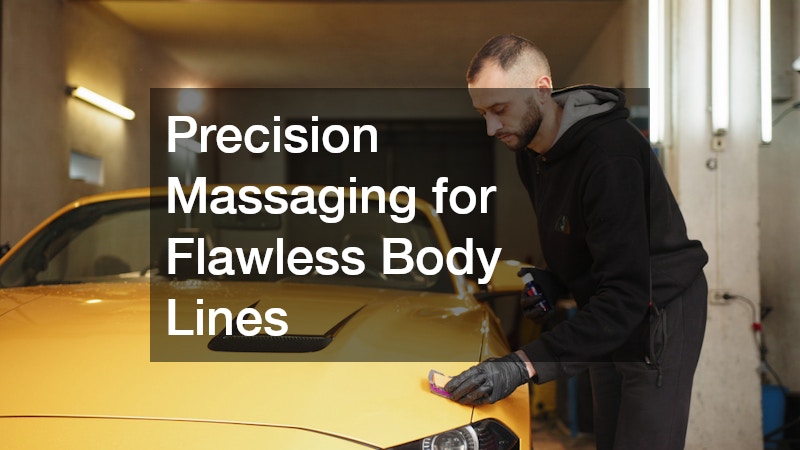
For shallower, non-structural dents where access to the back of the metal panel is restricted by inner reinforcement beams, alternative specialized pulling methods are used. Fender arches, door creases, and rear quarter panels often feature double-walled steel or aluminum layers that prevent traditional hand tools from reaching the backside of the dent. In these specific scenarios, professional car dent removal technicians employ advanced glue-pulling systems on the exterior side of the panel. The process involves cleaning the target area with isopropyl alcohol, melting a specialized high-tensile pulling glue onto a plastic tab tailored to the shape of the dent, and adhering it directly to the center of the low spot.
Once the adhesive sets, a slide hammer or a mechanical mini-lifter connects to the tab, allowing the technician to exert a controlled, outward pulling force. After the metal is pulled back to its proper plane, a release agent dissolves the glue completely without damaging the clear coat. The technician then uses high-density polymer blending hammers and knockdown punches to gently tap down any micro-ridges, ensuring the panel’s complex body lines look seamless from every viewing angle.
Advanced Deep Cleaning and Surface Correction
While mechanical repairs address structural shapes, maintaining an immaculate appearance requires regular, intense deep cleaning. Over months of operation, a vehicle collects a layer of road film, industrial fallout, tree sap, and interior contaminants that normal car washes cannot adequately address. Investing in comprehensive auto detailing is a holistic process that treats every square inch of the vehicle with specialized tools and chemicals. On the exterior, this includes cleaning the wheel wells, polishing exhaust tips, and using dual-action orbital polishers paired with microfiber pads and diminishing abrasives to safely eliminate micro-marring and oxidation from the clear coat.
On the inside, detailing focuses on deep extraction cleaning of carpets, conditioning delicate leather seating surfaces with pH-balanced creams, and cleaning intricate dashboard vents using compressed air torqued guns. Removing the deep-seated oils from steering wheels and restoring the matte finish of interior plastics not only eliminates distracting odors but also preserves the cabin materials against drying out and cracking under intense solar heat.
Achieving Seamless Color Formulation
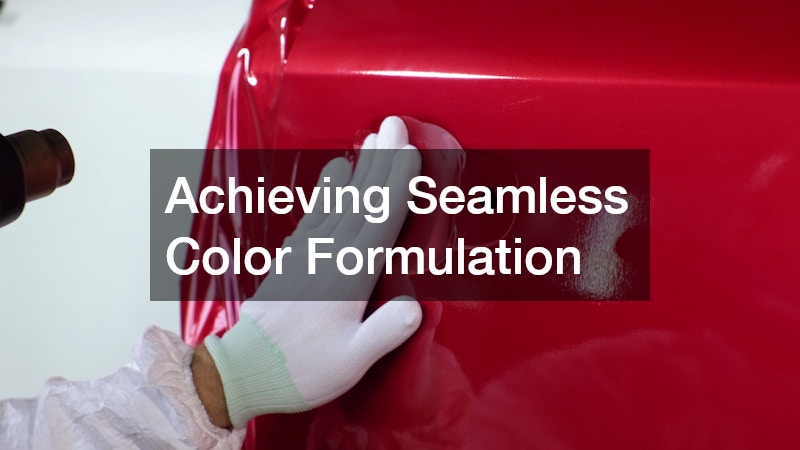
When panels are deeply scratched, replaced, or modified with aftermarket aerodynamic body kits, applying new paint is inevitable. The challenge lies in matching the new paint with the rest of the vehicle. Factory paint ages due to weather and UV exposure, causing subtle shifts in color over time that make generic paint codes look mismatched. Professional automotive painters solve this issue by using advanced digital spectrophotometers to analyze the actual color composition of the adjacent panels on your specific car. This tool captures the exact hue, metallic flake size, and flip effect—how the paint shifts color when viewed from different angles.
The specialist then mixes a custom formula to compensate for any real-world fading. The painting process occurs within down-draft spray booths that maintain clean, climate-controlled air currents to prevent dust particles from landing on the wet base coat. After applying the color coats, multiple layers of high-solid clear coat are sprayed, followed by an intensive wet-sanding and buffing process to eliminate orange peel texture, ensuring the repaired panel matches the rest of the vehicle flawlessly.
Integrating Custom and Functional Illuminations
A vehicle’s visual identity isn’t defined solely by its paint and wheels; the lighting signature plays a massive role in its modern aesthetic. Upgrading to crisp LED or laser lighting, installing custom interior ambient lighting networks, or troubleshooting complex lighting malfunctions requires specialized electrical knowledge. Modern vehicle lighting systems are deeply integrated into the car’s central computer networks, which means any modification requires a professional auto electrical repair approach. Simply swapping a standard halogen bulb for an aftermarket LED can trigger dashboard warning lights, flickering, or unexpected system shut-downs because the computer senses an unfamiliar voltage drop.
Technicians use digital multimeters and diagnostic software to wire in proper load resistors and configure relays, ensuring that custom lighting additions function safely without overloading factory wiring harnesses. Upgrading factory lighting to custom dark-tinted housings, sequential turn signals, or color-shifting daytime running lights updates your vehicle’s look while improving nighttime visibility and safety on the road.
Navigating Major Transformations and Reconstruction
When a project demands a complete visual overhaul—such as custom widebody kit installations, major rust remediation, or extensive panel replacement—a standard mechanical repair bay is not enough. Complex projects require specialized sheet metal shaping tools, heavy-duty welding equipment, and technicians experienced in custom fabrication. Choosing high-caliber auto body shops gives you access to the structural expertise required for large-scale cosmetic transformations. Installing a fiberglass or carbon-fiber widebody kit, for instance, requires cutting away portions of the factory metal fenders, sealing the inner wheel tubs to protect against moisture intrusion, and bonding the new panels using aerospace-grade structural adhesives.
These facilities also specialize in managing panel alignment across different materials, ensuring that steel doors line up cleanly with aluminum hoods and composite bumpers. By combining heavy fabrication skills with precise surface prep, these shops lay the groundwork for a flawless final paint application, transforming a standard vehicle into a personalized showpiece.
Customizing your vehicle and keeping it looking its best is an ongoing commitment that blends personal style with disciplined maintenance. From the chemical protection of modern liquid polymers to the mechanical precision of dent removal and frame alignment, each step plays an important role in preserving your vehicle’s style and long-term resale value.
While small tasks like routine washing, interior vacuuming, and applying surface protectants can easily be handled at home, major modifications and complex repairs are best left to professionals equipped with specialized tools and training. By combining careful daily habits with high-quality upgrades, you ensure that your vehicle remains a true reflection of your personal style and a source of pride every time you hit the open road. Keep a close eye on the details, address minor imperfections before they worsen, and enjoy the process of tailoring your ride to match your vision.